
Knowledge base
What Is a Blockchain Node? And Why It Matters for Your Wallet
A node runs the blockchain software, keeps a copy of the ledger, and validates or relays transactions. Full-node wallets need to sync it before balances appear.
Short answer
A node is a computer that runs the blockchain software: it keeps a copy of the ledger and validates transactions. Wallets talk to nodes, but your keys are never stored on one.
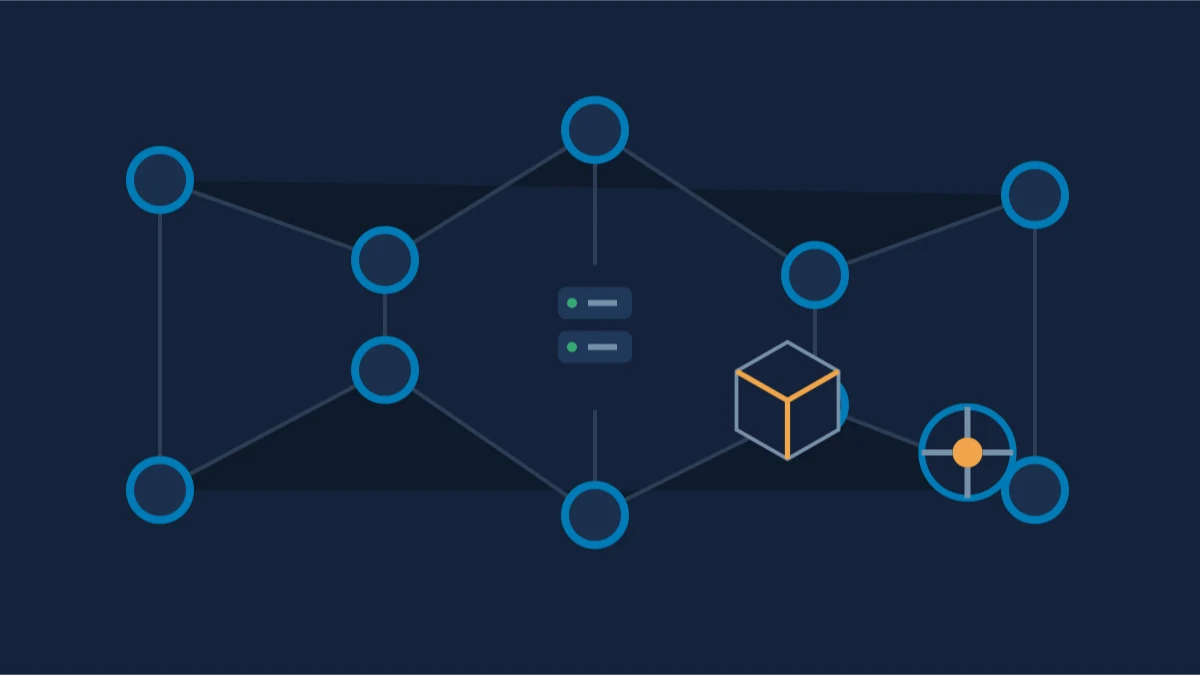
A node is a computer that runs the blockchain software: it keeps a copy of the ledger, validates blocks and transactions, and relays them to the network. Every blockchain runs on nodes; the more independent nodes, the more decentralised the network.
How wallets use nodes
- Full-node wallets (Bitcoin Core, Daedalus) download and verify the entire chain. They show balances and history only after the sync and rescan finish; until then, the display can be empty or wrong.
- Light and SPV wallets (most mobile and desktop wallets) ask servers or other nodes for data instead of downloading the chain.
What a sync problem means
A wallet that has not finished syncing, or a node that cannot connect, is a display problem, not lost funds. The blockchain still records your balances. Wait for the sync to complete and check the transaction on a block explorer before doing anything else.
When it is a recovery problem
If the chain is synced and the transaction is confirmed on-chain, but the wallet still shows nothing, the cause is usually derivation, a passphrase, or the wrong network, not the node. See zero balance after restore.
Running your own node also lets you check the chain directly instead of trusting a third-party server: a useful sanity check when a wallet shows an unexpected balance.
What a node does
A node is a computer running the network's software. It holds a copy of the ledger, validates blocks and transactions, and relays them to other nodes. Wallets do not need to be nodes; they talk to nodes, which is how they learn the balance of an address and broadcast transactions.
Why nodes matter for wallet recovery
- The wallet is not the ledger: the coins live in the blockchain's history, not in the wallet file. That is why restoring a wallet file or phrase can bring back an old balance: the records are public and permanent.
- Sync problems look like loss: an old Bitcoin Core installation that cannot catch up shows a stale or zero balance because it cannot see recent blocks. The explorer shows the real balance in seconds.
- Full nodes and old hardware: syncing the whole Bitcoin blockchain is a multi-day job on old machines. Keys can be exported and swept into a lighter wallet without ever completing a full sync.
Understanding nodes is mostly about avoiding a false 'loss': when a wallet cannot see the network, check the address on an explorer before concluding anything.
Still locked out?
The first assessment is free, and it asks for no wallet secrets. Describe what you still have — a file, a phrase, a device, or what you remember — and we’ll tell you whether recovery is realistic. You only pay if the recovery succeeds.