
Problem
Derivation Path & Account Discovery
Restored wallet but no balance? Check the derivation path, accounts, passphrase and network against a known address. A zero balance alone is not a diagnosis.
Short answer
A zero balance after restoration does not identify the cause. Compare known addresses and check the original wallet, derivation path, account, passphrase and network. Extending the account or address scan may help if the correct recovery material is present, but it does not guarantee a match or recreate missing keys.
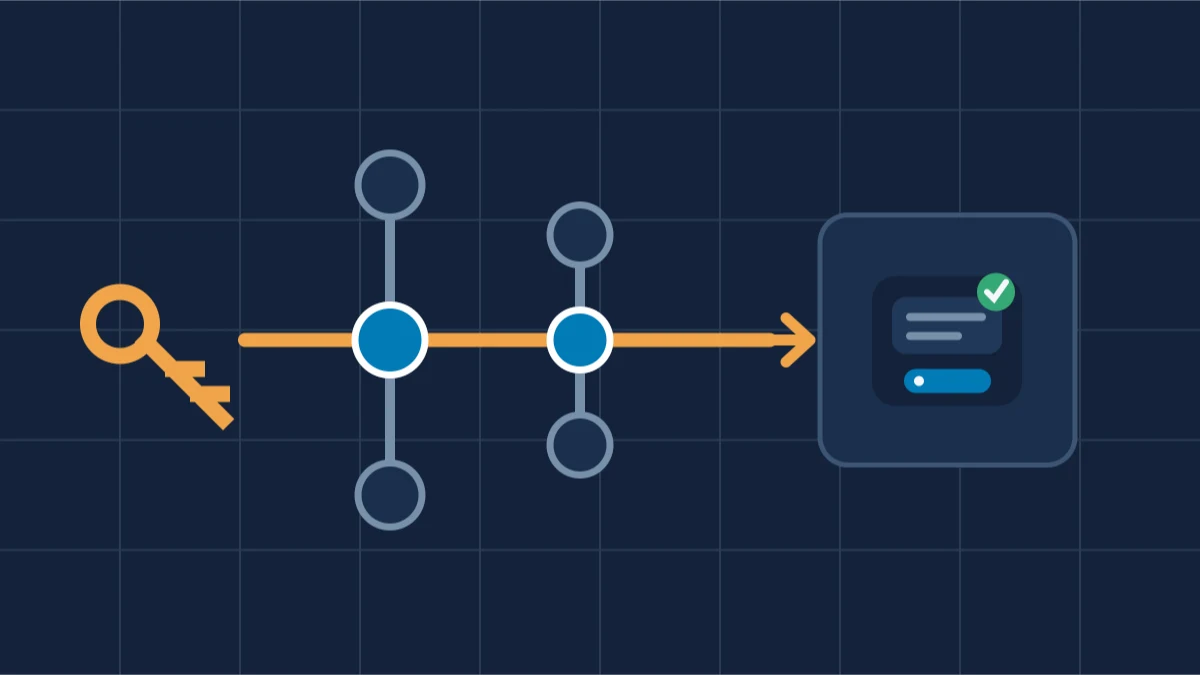
A wallet showing no balance after restoration does not establish the cause. The derivation path, account, passphrase, address type or network may differ from the original setup. An HD wallet uses a derivation path to derive keys and addresses from its seed. Comparing those addresses with a known address from your original wallet helps determine which settings match.
How derivation paths work
A path like m/44'/0'/0' reads as: purpose 44' (BIP-44), coin type 0' (Bitcoin), account 0'. Common paths include:
- m/44'/0'/0' — Bitcoin legacy addresses (starting with 1).
- m/49'/0'/0' — Bitcoin SegWit addresses (starting with 3).
- m/84'/0'/0' — Bitcoin native SegWit (starting with bc1).
- m/0' — the native SegWit branch for modern single-signature Electrum seeds.
- m/44'/60'/0'/0 — Ethereum (MetaMask, most EVM wallets).
- m/44'/195'/0' — Tron (TRX / USDT-TRC20).
Accounts and addresses are numbered within this structure. The gap limit determines how many consecutive unused addresses a wallet checks before stopping. BIP-44 specifies 20 for the external chain, but the actual scanning rules depend on the wallet. An account or address beyond the default scan may therefore be missed even when the recovery material is correct.
What to try yourself
- Use the wallet's own account mechanism first: in hardware-wallet software, add accounts and scroll further down the address list.
- In Electrum, first distinguish a native Electrum seed from an imported BIP-39 phrase. Native seed versions determine the derivation; with a BIP-39 import, match the original address type and path. Account for the older seed system when restoring a pre-2.0 wallet.
- For Ethereum wallets, confirm the network (Ethereum Mainnet vs a testnet) and check whether the address you remember matches the first derived address.
- If you have an old transaction or address, compare it directly against what the restored wallet derives.
What is realistic
- Unknown path, known address: compare addresses derived using plausible paths and accounts supported by the original wallet. A match confirms the relevant configuration; trying a few standard paths does not guarantee one.
- Later accounts or addresses beyond the default gap limit: a controlled scan of additional accounts and address indices may locate them if the recovery material and derivation scheme are correct.
- Older Electrum wallets: identify the original seed system and wallet type before checking the corresponding derivation rules.
What is not realistic
Testing paths does not recreate a missing recovery phrase or passphrase. If an address was derived from different recovery material, changing paths will not produce its keys. Failing to find a match among a few standard paths is not enough to establish that this is the cause.
What not to do
- Do not send funds to a newly displayed address to “activate” the wallet. First confirm a known address and the correct network.
- Do not enter your phrase into online derivation tools; run any tool offline on a computer you control.
- Do not assume the phrase is wrong until paths, accounts and passphrase have all been checked.
When professional help can be useful
For an older wallet, an unfamiliar derivation scheme or an unusual account index, a systematic search can compare plausible path and account combinations against known public addresses offline. The original wallet software, version and surviving recovery material determine which combinations are relevant.