
Knowledge base
Seed Phrase (Recovery Phrase): What It Is and How It Works
A seed phrase (recovery phrase) is the master key of a wallet: usually 12 or 24 words from a fixed list that restore the wallet in any compatible software.
Short answer
A seed phrase is a list of 12 or 24 words from one fixed list that regenerates your wallet. Whoever has it controls the wallet — losing it means losing access unless a backup exists.
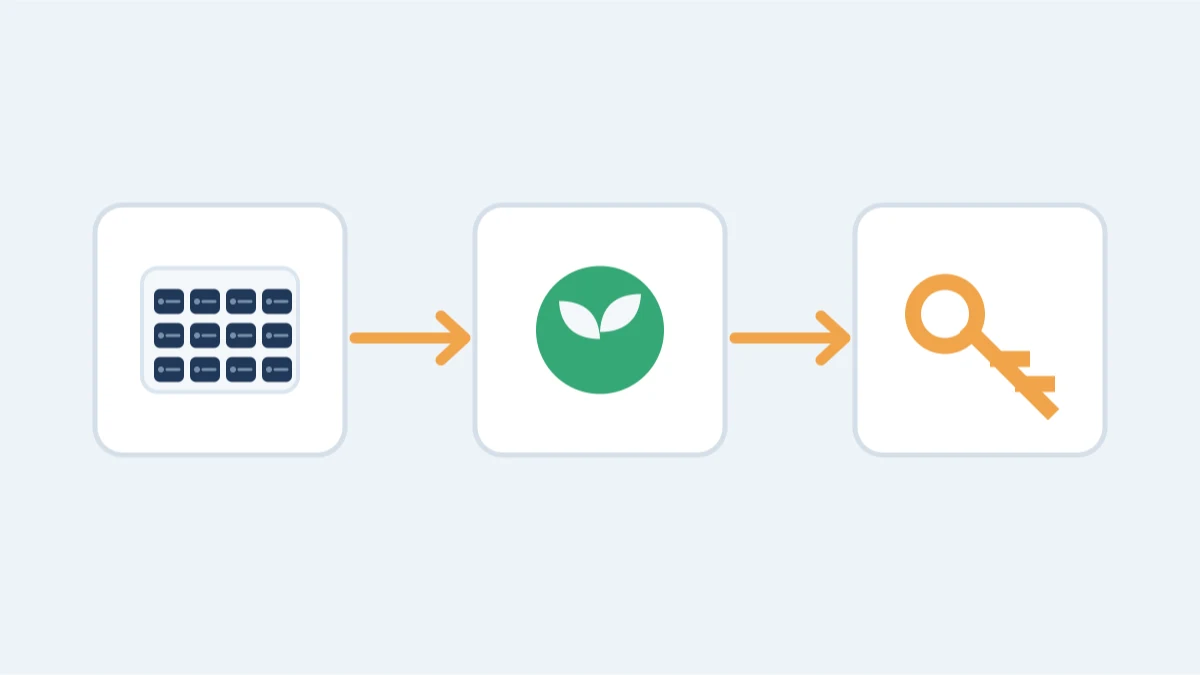
A seed phrase — also called a recovery phrase or mnemonic phrase — is a list of words, usually 12 or 24, drawn from one fixed public word list (BIP-39). It represents the master key of a wallet. Every private key and address in that wallet is derived from it, which is why the phrase restores the wallet in any compatible software, on a new device or after a reinstall.
The words are not passwords. They encode a large random number, and the last word contains a checksum: a mathematical check calculated from the random number encoded by the phrase. It helps software detect many typing and word-order errors and narrow the candidates when reconstructing a partly known phrase.
What the phrase unlocks
- The wallet it was created from, including all accounts and addresses derived from it.
- Nothing else: a phrase does not give access to an address that was never derived from it.
Common recovery situations
- Full phrase available: restore it in compatible wallet software. A zero balance afterwards is almost always a passphrase, derivation path or account issue.
- Words missing or wrong: the checksum and the 2,048-word list make small errors correctable; the more words you have, the more realistic this becomes.
- Phrase completely gone, with no file or backup: it cannot be rebuilt by anyone; there is nothing to reconstruct from.
Never enter a seed phrase into a website, an online tool or a chat. Whoever has the words has the wallet.
You found 12 or 24 words — now what?
Found words on paper, in a notebook, or in an old note? Before anything else, check what you are looking at:
- Every word should come from the same public BIP-39 word list (2,048 words). If the words are all on that list, it is almost certainly a recovery phrase.
- The last word contains both random data and checksum bits. The checksum detects many errors, but a different valid phrase can pass it and restore a different wallet. Compare the resulting addresses with a known public address from your original wallet.
- Do not type the phrase into any website, form or online tool. Restore it in trusted wallet software on a device you control, and keep the original note safe.
Once restored, the wallet shows the accounts derived from that phrase. If the balance is zero, the cause is almost always a missing passphrase, a different derivation path, an address type, or the wrong network, not missing funds.
What a phrase is not
A recovery phrase is not a password: it is the master key, and anyone who has it can restore the wallet. It also does not unlock exchange accounts, custodial wallets or app logins: those are separate account systems. And not every word list is BIP-39: Electrum seeds, Monero 25-word seeds and SLIP-39 shares use their own formats, so a phrase that fails BIP-39 validation may simply belong to another standard.
If words are missing or unreadable
The checksum and the fixed word list make small errors correctable: one wrong or missing word can usually be determined, and a few missing words make a bounded reconstruction possible. The more words you have, the smaller the search, and the more honest we can be about feasibility. Start with an assessment; you will not need to send the phrase itself.
Still locked out?
The first assessment is free, and it asks for no wallet secrets. Describe what you still have — a file, a phrase, a device, or what you remember — and we’ll tell you whether recovery is realistic. You only pay if the recovery succeeds.